The Audubon Alliance for Coastal Waterbirds is offering a series of free
shorebird identification seminars at the Connecticut Audubon Society's
Milford Point Coastal Center. These seminars are scheduled around tides
so they are somewhat irregularly spaced. The focus will be on
shorebirds, terns and other coastal waterbirds. The goal is to end
sessions by 9:00 PM.
Thursday, July 26th, 6:00 PM. Field session followed by a one hour indoor general shorebird presentation. High tide 5:36 PM.
Thursday, August 9th, 6:00 PM. Field session followed by birding by ear
for shorebirds and coastal waterbirds indoors. High tide 5:25 PM.
Tuesday, September 11th, 5:00 PM. Field session followed by indoor
presentation focusing on advanced shorebird and tern ID. We had to push
this one earlier because of 7:07 PM sunset. High tide 8:24 PM.
Attendance at all three sessions is not mandatory, but the goal is to
make it worthwhile to attend all three as we will seek to minimize
overlap of materials covered. The leader will be Patrick Comins, but
additional staff from the two Audubons, including Sean Graesser, will
likely assist. Space is limited! Please contact us at
ctwaterbirds@gmail.com. Pre-registration is required due to limited
space. These seminars are free.
The Audubon Alliance is a joint venture of Audubon Connecticut and the
Connecticut Audubon Society in partnership with the US Fish and Wildlife
Service and Connecticut Department of Energy and Environmental
Protection, with funding from the Long Island Sound Futures Fund, Cross
Foundation, Jeniam Foundation and Community Foundation for Greater New
Haven.
Audubon Alliance for Coastal Waterbirds, Audubon Connecticut and the Connecticut Audubon Society partnering to improve conditions for coastal waterbirds in Connecticut.
PIPL

Wednesday, July 18, 2012

Tuesday, July 17, 2012
American Oystercatcher chicks at Milford Point
The below post, including observations and photos, is from AAfCW technician Sean Graesser:
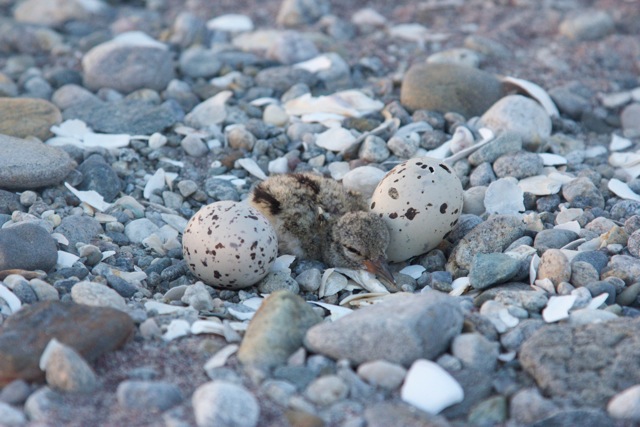
I went out Tuesday 7/10 to see if the American Oystercatcher had hatched yet because we were at the beginning of the hatching window. They had not, but I was relieved to see that the three eggs were still there. This year at Milford Point, we had lost five nests. The odds were against these eggs and due to a recent nest being predated by what appeared to be Herring Gulls I was nervous. On Wednesday at 12:00 PM Kim one of the other staff members from the Audubon Alliance told me that she observed an adult American Oystercatcher performing a broken wing display. If you have any experience with American Oystercatchers you know their primary goal is to escape human contact at all costs and this kind of display was obscure for them. This was a red flag that something new was occurring.

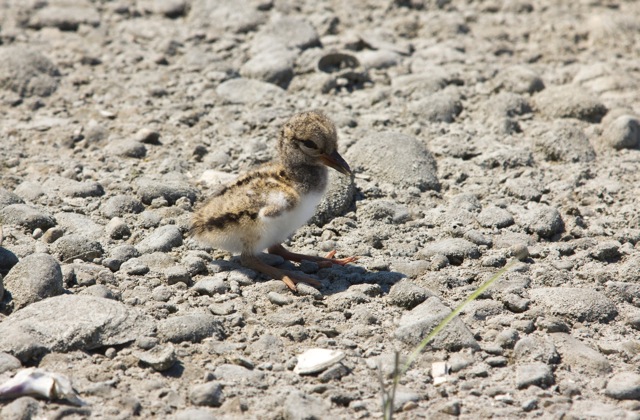
I found that one chick had just hatched most likely less than thirty minutes before I came upon the nest. I checked back at around 8:00 PM that night to see if the rest had hatched and if the first chick had gotten up yet, neither had happened. I was worried that we were only going to get the one egg to hatch. I went out at 8:00 AM the next morning to find to my surprise that another egg had hatched and the two chicks were resting in the nest. I went out again at 2:00 PM that day to find both chicks were out and about on the beach and one egg was still in the nest. There was still one parent incubating that egg, so hopefully it hatched. I then saw the two chicks move in front of me and sit down for me to get some pictures.


If you do go out to see the AMOY chicks please observe from a distance and only take pictures if you have a telephoto lens. Our numbers for Connecticut American Oystercatchers chicks hatching this year are very low, so any success we can get is a big win. Some of the reasons we managed to get these chicks to hatch at all was due to the countless volunteer and staff hours put into to monitor these birds. So once again, we thank everyone for the group effort that is making small wins in the area of waterbird conservation.
Audubon Alliance for Coastal Waterbirds, Audubon Connecticut and the Connecticut Audubon Society partnering to improve conditions for coastal waterbirds in Connecticut.
I went out Tuesday 7/10 to see if the American Oystercatcher had hatched yet because we were at the beginning of the hatching window. They had not, but I was relieved to see that the three eggs were still there. This year at Milford Point, we had lost five nests. The odds were against these eggs and due to a recent nest being predated by what appeared to be Herring Gulls I was nervous. On Wednesday at 12:00 PM Kim one of the other staff members from the Audubon Alliance told me that she observed an adult American Oystercatcher performing a broken wing display. If you have any experience with American Oystercatchers you know their primary goal is to escape human contact at all costs and this kind of display was obscure for them. This was a red flag that something new was occurring.

I found that one chick had just hatched most likely less than thirty minutes before I came upon the nest. I checked back at around 8:00 PM that night to see if the rest had hatched and if the first chick had gotten up yet, neither had happened. I was worried that we were only going to get the one egg to hatch. I went out at 8:00 AM the next morning to find to my surprise that another egg had hatched and the two chicks were resting in the nest. I went out again at 2:00 PM that day to find both chicks were out and about on the beach and one egg was still in the nest. There was still one parent incubating that egg, so hopefully it hatched. I then saw the two chicks move in front of me and sit down for me to get some pictures.



Audubon Alliance for Coastal Waterbirds, Audubon Connecticut and the Connecticut Audubon Society partnering to improve conditions for coastal waterbirds in Connecticut.
Monday, July 16, 2012
Audubon Alliance for Coastal Waterbirds update #18
This is the eighteenth update by the Audubon Alliance for Coastal Waterbirds (AAfCW) for the 2012 season. It includes reports of Piping Plover, American Oystercatcher, Least Tern, and Common Tern received from 12:00 p.m. on July 9 through 12:00 p.m. on July 16 with sightings of birds spanning July 9 through July 15 by our staff and volunteers.
Informational updates:
The fall season of International Shorebird Surveys (ISS) started yesterday, July 15. We still have plenty of great sites across the state for those who are interested in helping out with these quick and easy yet very valuable surveys. All of the information on ISS is here in our blog in the right-hand column under the Important Documents heading.
As you can see below, we finally have a few more American Oystercatcher hatchlings and fledglings. These and more Least Tern young still need our constant care, not to mention a few families of Piping Plover that have just hatched or are about to. It is getting later in the season and many birds have fledged, but we still have plenty of work remaining! Please continue to be careful of the very hot weather for your own safety as well as that of the birds.
Survey and monitoring updates:
Piping Plover
Volunteer and staff surveys:
2 adults, 1 chick, 1 nest at Harkness Memorial State Park on 7/9
1 pair, 4 adults, 3 chicks, 4 juveniles at Sandy/Morse Points on 7/9
2 pairs, 4 adults, 1 chick at Griswold Point on 7/9
6 adults at Long Beach on 7/10
1 pair, 9 adults, 3 chicks, 8 juveniles at Milford Point on 7/10
1 pair, 2 adults at Long Beach on 7/10
2 pairs, 1 adult, 3 chicks, 4 juveniles at Sandy/Morse Point on 7/10
2 pairs, 6 adults, 3 chicks, 8 juveniles, 1 nest at Milford Point on 7/10
2 pairs, 1 adult, 3 juveniles at Sandy/Morse Points on 7/10
2 pairs, 4 adults, 3 chicks at Bluff Point on 7/10
1 pair, 6 adults, 3 chicks, 5 juveniles at Milford Point on 7/11
2 pairs, 2 adults, 3 chicks, 2 juveniles at Sandy/Morse Points on 7/11
1 pair, 5 adults, 3 chicks, 2 juveniles at Sandy/Morse Points on 7/11
8 adults, 3 chicks, 4 juveniles at Sandy/Morse Points on 7/11
3 adults, 2 juveniles at Long Beach on 7/11
1 pair, 1 adult, 2 juveniles at Long Beach on 7/11
1 pair, 4 chicks at Milford Point on 7/12
2 adults, 3 chicks, 1 nest at Harkness Memorial State Park on 7/12
1 pair, 4 adults, 2 chicks, 1 juvenile at Bluff Point on 7/12
1 pair, 3 adults, 4 chicks, 2 juveniles at Milford Point on 7/13
2 pairs, 5 adults, 5 chicks, 2 juveniles at Sandy/Morse Points on 7/13
9 adults, 8 juveniles at Bluff Point on 7/13
1 pair, 3 chicks at Milford Point on 7/13
1 pair, 3 chicks at Milford Point on 7/13
1 pair, 4 adults, 5 juveniles at Long Beach on 7/14
21 adults/juveniles at Milford Point on 7/14
5 adults, 9 juveniles at Long Beach on 7/14
2 pairs, 1 adult, 8 juveniles at Long Beach on 7/15
American Oystercatcher
Volunteer and staff surveys:
3 pairs, 1 nest at Sandy/Morse Points on 7/9
1 pair at Whale Rock (Mystic) on 7/9
1 adult at Ram Island on 7/9
1 pair, 1 adult at Salt Island on 7/9
1 pair at Bruce and Johnson Marina (Branford) on 7/10
1 pair, 1 adult at Kelsey Island on 7/10
1 adult, 1 nest at Milford Point on 7/10
3 adults at Thimble Islands on 7/10
2 pairs, 1 nest at Sandy/Morse Points on 7/10
3 adults at Sandy/Morse Points on 7/10
1 adult, 1 chick at Bluff Point on 7/10
1 adult, 1 nest at Milford Point on 7/11
2 pairs, 1 adult, 2 nests at Sandy/Morse Points on 7/11
2 pairs, 2 nests at Sandy/Morse Points on 7/11
2 adults at Sandy/Morse Points on 7/11
1 pair, 1 adult, 1 chick at Bluff Point on 7/11
1 pair, 2 chicks at Old Greenwich on 7/11
1 pair, 1 chick at Cos Cob Harbor on 7/11
2 pairs, 2 chicks, 1 nest at Milford Point on 7/12
1 pair at Bluff Point on 7/12
1 pair, 1 nest at Milford Point on 7/13
2 pairs, 1 chick, 2 nests at Sandy/Morse Points on 7/13
1 pair at Stratford Point on 7/13
1 pair, 1 adult at Milford Point on 7/13
4 adults at Milford Point on 7/14
1 adult at Long Beach on 7/14
1 pair at Stratford Point on 7/15
Least Tern
Volunteer and staff surveys:
19 adults at Harkness Memorial State Park on 7/9
100+ adults, 31 chicks, 30+ nests at Sandy/Morse Points on 7/9
77-100 adults, 11 chicks, 25+ nests at Griswold Point on 7/9
13 adults at Long Beach on 7/10
5 adults at Milford Point on 7/10
4 pairs, 16 adults, 4 nests at Long Beach on 7/10
1 adult at Pleasure Beach on 7/10
67 pairs, 2 chicks, 67 nests at Sandy/Morse Points on 7/10
20-25 adults, 11 chicks at Bluff Point on 7/10
3 adults at Milford Point on 7/11
1 adult at Silver Sands State Park on 7/11
154-204 adults, 27 chicks, 53+ nests at Sandy/Morse Points on 7/11
200 adults, 7 chicks at Sandy/Morse Points on 7/11
40 adults, 3 chicks at Sandy/Morse Points on 7/11
1 adult at Silver Sands State Park on 7/11
5 adults, 1 nest at Long Beach on 7/11
1 pair, 12 adults, 1 likely nest at Milford Point on 7/12
2 adults at Silver Sands State Park on 7/12
1 pair, 1 adult at Harkness Memorial State Park on 7/12
33+ adults, 6 chicks, 2 nests at Bluff Point on 7/12
3 adults at Milford Point on 7/13
5 pairs, 150+ adults, 37 chicks, 51+ nests at Sandy/Morse Points on 7/13
24 adults, 7 juveniles at Bluff Point on 7/13
2 adults at Stratford Point on 7/13
1 adult at Milford Point on 7/13
24 adults at Long Beach on 7/14
3 adults at Milford Point on 7/14
18 adults at Long Beach on 7/14
Common Tern
Volunteer and staff surveys:
3 adults at Harkness Memorial State Park on 7/9
49 adults, 4 nests at Sandy/Morse Points on 7/9
52 adults, 1 nest at Griswold Point on 7/9
5 adults at Long Beach on 7/10
13 adults at Sandy/Morse Points on 7/10
1 pair at Silver Sands State Park on 7/11
1 adult at East Broadway on 7/11
50-60 adults, 7 nests at Sandy/Morse Points on 7/11
5 adults at Sandy/Morse Points on 7/11
3 adults at Silver Sands State Park on 7/11
200+ adults at Milford Point on 7/12
5 adults at Harkness Memorial State Park on 7/12
15 adults at Milford Point on 7/13
54-70 adults, 1 pair, 1 juvenile at Sandy/Morse Points on 7/13
187 adults at Stratford Point on 7/13
15 adults at Milford Point on 7/13
5 adults at Long Beach on 7/14
3 adults at Milford Point on 7/14
1 adult at Long Beach on 7/14
78 adults at Stratford Point on 7/15
Shorebirds are present across Connecticut in some already solid numbers. On July 15, dozens of Least Sandpiper as well as hundreds of Semipalmated Sandpiper plus Short-billed Dowitcher, Lesser Yellowlegs, Semipalmated Plover, Killdeer, Spotted Sandpiper, and more were recorded during some of our initial International Shorebird Surveys. Please sign up to conduct some of these surveys on your own as soon as possible if you want a terrific excuse to get out and see these species while aiding their conservation efforts.
This concludes update #18 through 7/16/12 as of 4:00 p.m.
Audubon Alliance for Coastal Waterbirds, Audubon Connecticut and the Connecticut Audubon Society partnering to improve conditions for coastal waterbirds in Connecticut.
Friday, July 13, 2012
International Shorebird Surveys: A personal account
Below is a piece concerning International Shorebird Surveys by Audubon Connecticut's IBA Program Coordinator Corrie Folsom-O'Keefe.
If you want to get better at identifying shorebirds……then do International Shorebird Surveys. I consider myself a pretty good birder. I do great with migratory passerines, can bird by ear, and am pretty familiar with CT’s raptors, shorebirds, waterfowl, etc. I’m comfortable identifying the more common shorebirds, but sometimes I still question myself when it comes to telling the difference between Least and Semipalmated Sandpipers, picking out a White-rumped Sandpiper amidst hundreds of peeps (Which one am I supposed to be looking at?), or identifying yellowlegs to species. So this past spring I decide that the best way to improve my shorebirding skills would be do International Shorebird Surveys, one of the deliverable of the Long Island Sound Future Fund Grant that is funding the Audubon Alliance for Coastal Waterbirds. Since mid-April I have done 32 surveys at 6 locations (you do not need to do this many to participate, once a month is enough). And I can say with certainty that my shorebirding skills have improved. To start I can tell the difference between Least and Semipalmated Sandpipers! Finally! Confidently! Many people know that Least Sandpipers have yellow legs while those of the Semipalmated Sandpiper are black. But there are other more subtle differences. The wing and back feathers of the Semipalmated are relatively drag compared to the Least. Your location also can help narrow down the possibilities as Semipalmated Sandpipers are less common inland, while Least are less common on the coast.
Finally really get a feel for Least and Semipalmated Sandpipers, made it possible for me to pick out sandpipers that were not either of these species. I was at Sandy Point in West Haven in late May counting Semipalmated Sandpipers, when I noticed one that was just a little bigger than the rest. “Don’t jump to conclusions, it is probably just the angle that is making it look bigger than the rest”, ran through my head. But as I watched the bird, other differences became apparent. The bill was just a little longer, and base of the bill seemed yellowish. The colors of the feathers on the back were just a little bit richer. I took down notes. A little while later, I came upon a second bird similar to the one I had just observed. This one gave a very light high pitched twittery noise. It was time to pull out my guide and ipod and figure out what species I’d seen and heard. Both birds it turns out were White-rumped Sandpipers!
Doing International Shorebird Surveys teaches you to look closely at birds and counting all those peeps sharpens your observation skills. This will help you with your bird identification whether you are looking at shorebirds, gulls, warblers, sparrows, or hawks. During my last spring ISS at Bluff Point in Groton, I noticed a couple of large terns foraging along the beach. As one passed by me on the beach, I trained my binocular on the bird. I expected to see a Common Tern, but found myself looking at a bird with a large amount of black on its bill. There was some orange at the base, but not the amount I was used to seeing on Common Terns in breeding plumage. “Do their bills change color as they transition into winter plumage or could this be a juvenile bird?” I wondered. I kept watching the bird. After a few passes I began to notice that the bill was thinner and longer in shape that what I would expect of a Common Tern. This became more obvious when an adult Common Tern flew by. I started looking for additional field marks. The wings were lighter in color and when it called, I did not here the “Key-ahh” of a Common Tern. My mystery bird was a Roseate Tern.
So if you would like to get better at identifying shorebirds…if you want to get better at identifying birds in general…, then I highly recommend doing International Shorebird Surveys.
Corrie Folsom-O’Keefe
Audubon Alliance for Coastal Waterbirds, Audubon Connecticut and the Connecticut Audubon Society partnering to improve conditions for coastal waterbirds in Connecticut.
Thursday, July 12, 2012
Milford Point Piping Plover chicks biological observation
The below post, including observations and photos, is from AAfCW technician Sean Graesser:
The last PIPL nest at CACC hatched the night of July 9 at 6:30 PM. Three of the four chicks had hatched by 8:30 PM. There was one egg still un-hatched. At 11:45 AM it still had not hatched yet. It was thought the egg was going to be unviable. At 6:00 PM the final egg had hatched and the chick was still wet with embryonic fluid.

24 hours for all the eggs to hatch is very unusual. Although the eggs get laid over a 6-8 days period they usually hatch within hours of each other. This is an interesting observation. These kind of small biological observations are always noteworthy.

Due to the Alliance this year we have managed to see a few of these things this season. With all the eyes on the birds this year we have come across some great data.
Audubon Alliance for Coastal Waterbirds, Audubon Connecticut and the Connecticut Audubon Society partnering to improve conditions for coastal waterbirds in Connecticut.
Subscribe to:
Posts (Atom)