The American Oystercatcher is not a species you expect to find in New England in December! These two birds were photographed on Monday, December 21, as they fed on the shores of Stratford Point near low tide. I was surprised to see them, but it was not astonishing given our continuing extreme warmth. They were flagged in my eBird report, and they will be flagged if they are re-spotted on the Stratford-Milford Christmas Bird Count this upcoming Sunday, December 27.
This focal species of our efforts in the Audubon Alliance for Coastal Waterbirds is usually a late February or more often early March returning bird. Some do stay through the winter in the Mid-Atlantic, but this is a good example of the impact of El NiƱo and the shifts in distribution that are occurring for hundreds of species due to climate change.
PIPL
Wednesday, December 23, 2015
Tuesday, November 10, 2015
Black-bellied Plover (Pluvialis squatarola)
Most of our shorebirds are gone for the winter, but you can still find the Black-bellied Plover (Pluvialis squatarola) on our shores. They can be seen just about year-round in Connecticut.
Monday, November 9, 2015
WildLife Guards and STEAM
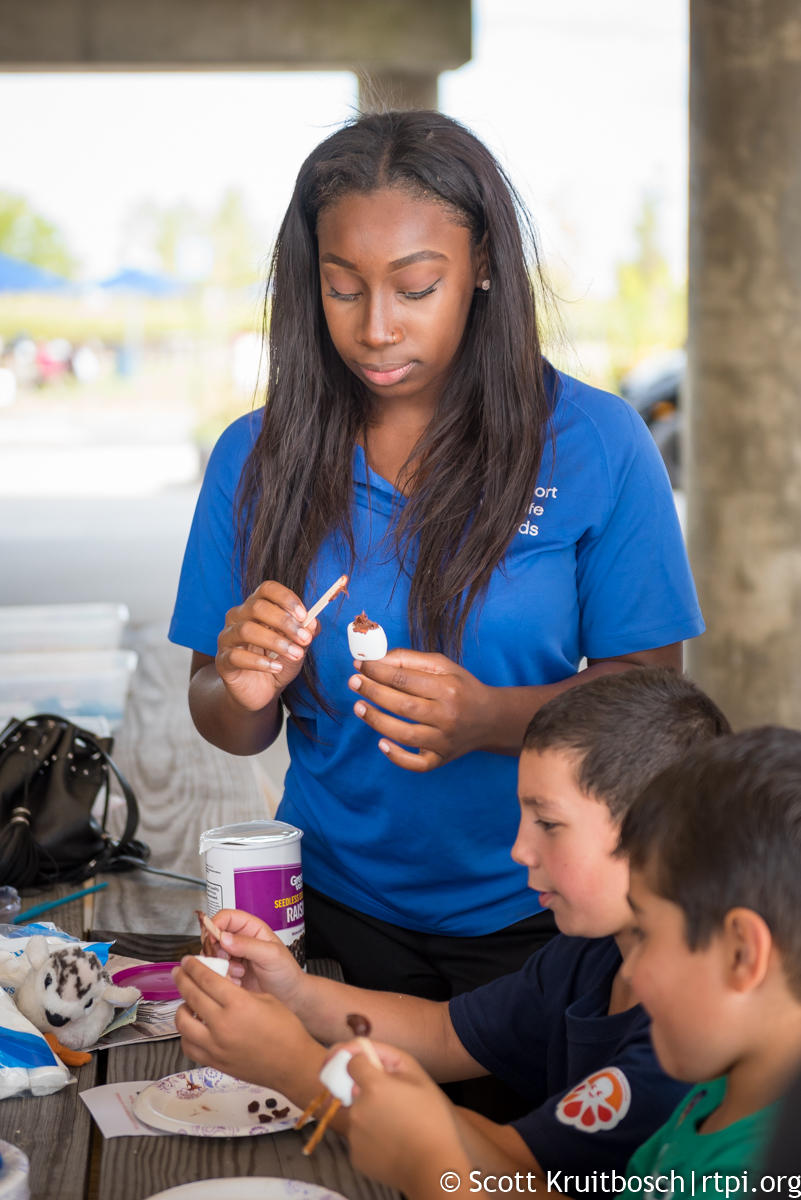
Here we have a couple of adorable little ones learning by doing and constructing baby Piping Plover chicks during an outreach event for the Bridgeport WildLife Guards with Audubon Connecticut and the Roger Tory Peterson Institute of Natural History this past Saturday. We were one of the exhibits during a celebration of STEAM (Science, Technology, Engineering, Art and Mathematics) for children of all ages at Housatonic Community College in Bridgeport, Connecticut. The kids are building a hatchling out of a marshmallow, pretzels, chocolate and raisins.
While they are building this bird we are building future environmentalists, birders, and conservationists by educating them on the importance of endangered species like this one and to care for our rare and unique habitats. We pass along lessons such as not littering, respecting nesting areas and giving birds space, keeping pets and vehicles out of sensitive spots, and some basic biology of very cool birds with great adaptations like the American Oystercatcher. This sort of teaching is engaging, memorable and delicious! Even when we are in the offseason for field work and these birds are on wintering grounds to our south we are working every single day in many forms of art, conservation and education.
Wednesday, September 30, 2015
WildLife Guards Boy Scout Event
This past Saturday, September 26, I spent the day with seven of our ten Bridgeport WildLife Guards back at Brideport, Connecticut's Pleasure Beach. That is where they were stationed five days each week this summer, conducting education, conservation and advocacy activities and making a difference for rare or endangered plants and wildlife, highlighted by the federally threatened Piping Plover. They engaged visitors and beachgoers, offering unique and innovative programs to convey the philosophy of sharing the beach and respecting our natural world as well as the complex ecosystems of this important habitat.
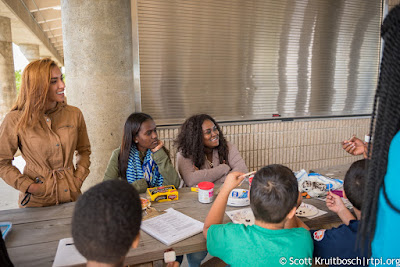
Our assignment this autumn day was to teach groups of visiting children about Piping Plovers and other coastal waterbirds as a part of an event for the Boy Scouts of America. In the photos below you can see our crew helping the kids in building baby Piping Plovers out of marshmallows, chocolate, pretzels, and raisins, a deliciously informative activity. Our second task involved using objects like hair clips and clothespins as bird beaks to attempt to "forage" for "prey", showing how species like the Common Tern and American Oystercatcher have specially evolved bills to feed on certain organisms in different environments.
In short, we had a sensational time! Even in these pictures you can see how much the children enjoyed working with us in these hands-on tasks, and we made sure they all left with a greater knowledge and appreciation of our birds. Our WildLife Guards season has been over for several weeks now, and all of this was volunteer time willingly put in by our wonderful crew. A tremendous thanks goes out to Ira Lockhart, Talisha Ortiz, Jamiya Williams, Alfred Green, Paris Jordan, Nathalie Vincent, and Sara Gallo for coming out to Pleasure Beach for one last day in 2015. We are so lucky to have them as colleagues and friends. We have all kept in touch with one another, discussing school and classes, jobs and career paths, college and more as we try to assist our students in any way we can. They have volunteered with us in multiple ways, and we hope to have another WildLife Guards event at a local school in November. Our work is year-round, nonstop, and always expanding - and we would not have it any other way.
Scott Kruitbosch
AAfCW Volunteer Coordinator
RTPI Conservation & Outreach Coordinator
Our assignment this autumn day was to teach groups of visiting children about Piping Plovers and other coastal waterbirds as a part of an event for the Boy Scouts of America. In the photos below you can see our crew helping the kids in building baby Piping Plovers out of marshmallows, chocolate, pretzels, and raisins, a deliciously informative activity. Our second task involved using objects like hair clips and clothespins as bird beaks to attempt to "forage" for "prey", showing how species like the Common Tern and American Oystercatcher have specially evolved bills to feed on certain organisms in different environments.
In short, we had a sensational time! Even in these pictures you can see how much the children enjoyed working with us in these hands-on tasks, and we made sure they all left with a greater knowledge and appreciation of our birds. Our WildLife Guards season has been over for several weeks now, and all of this was volunteer time willingly put in by our wonderful crew. A tremendous thanks goes out to Ira Lockhart, Talisha Ortiz, Jamiya Williams, Alfred Green, Paris Jordan, Nathalie Vincent, and Sara Gallo for coming out to Pleasure Beach for one last day in 2015. We are so lucky to have them as colleagues and friends. We have all kept in touch with one another, discussing school and classes, jobs and career paths, college and more as we try to assist our students in any way we can. They have volunteered with us in multiple ways, and we hope to have another WildLife Guards event at a local school in November. Our work is year-round, nonstop, and always expanding - and we would not have it any other way.
Scott Kruitbosch
AAfCW Volunteer Coordinator
RTPI Conservation & Outreach Coordinator
Tuesday, September 22, 2015
Red Knots at Stratford Point
Earlier last evening we found these juvenile Red Knots on the beach at Stratford Point along with Black-bellied Plovers, Semipalmated Sandpipers, Semipalmated Plovers and our first of fall Dunlin. Red Knots, now a federally threatened species, are a priority to us at the Audubon Alliance for Coastal Waterbirds to find in Connecticut. Please be sure to share any eBird checklists with them or any shorebirds you record throughout the autumn and even winter with us at ctwaterbirds@gmail.com. Thank you!
Subscribe to:
Posts (Atom)